
Surnames / Ruby Irene Ford Line — Chuck's Ancestors
Höck (Hague)
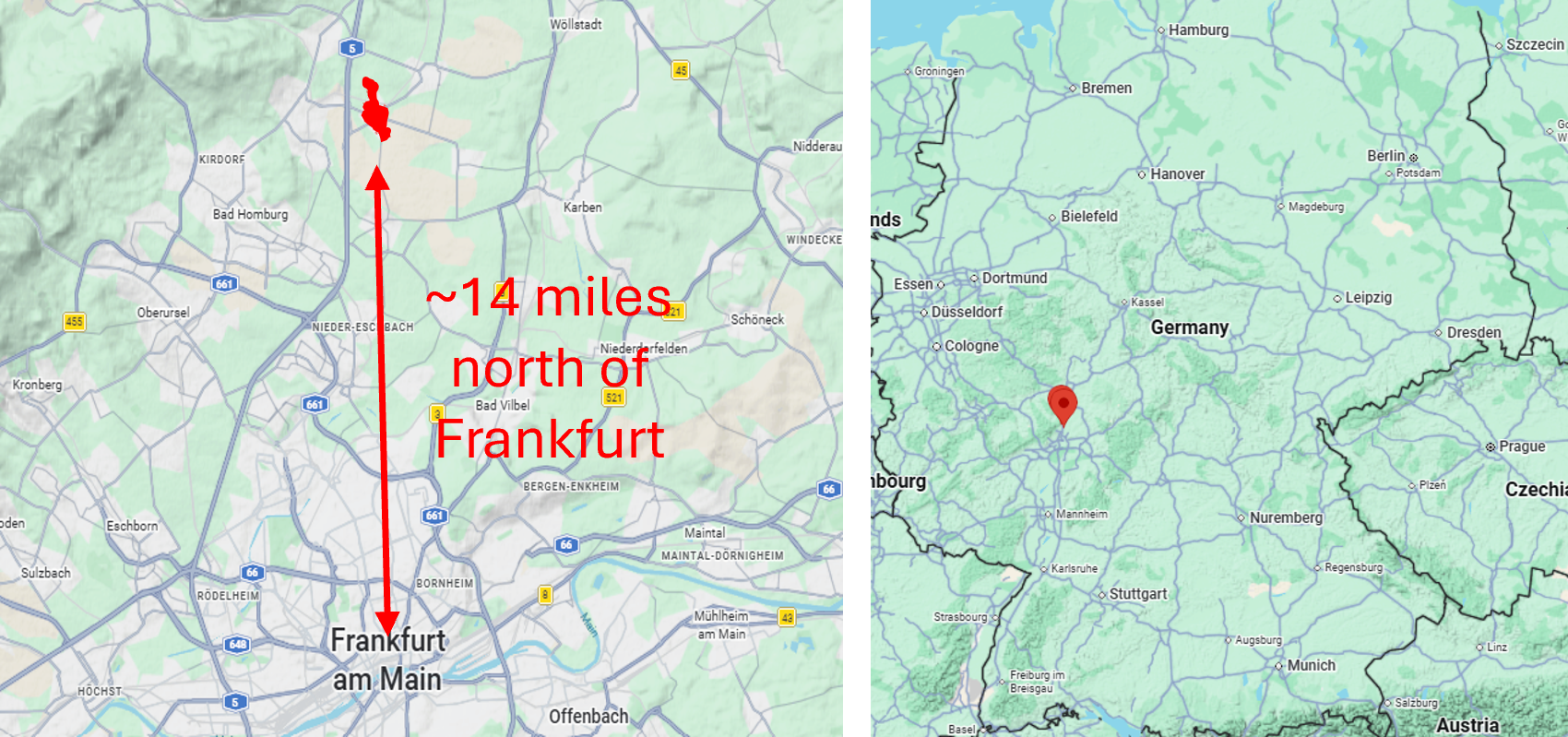
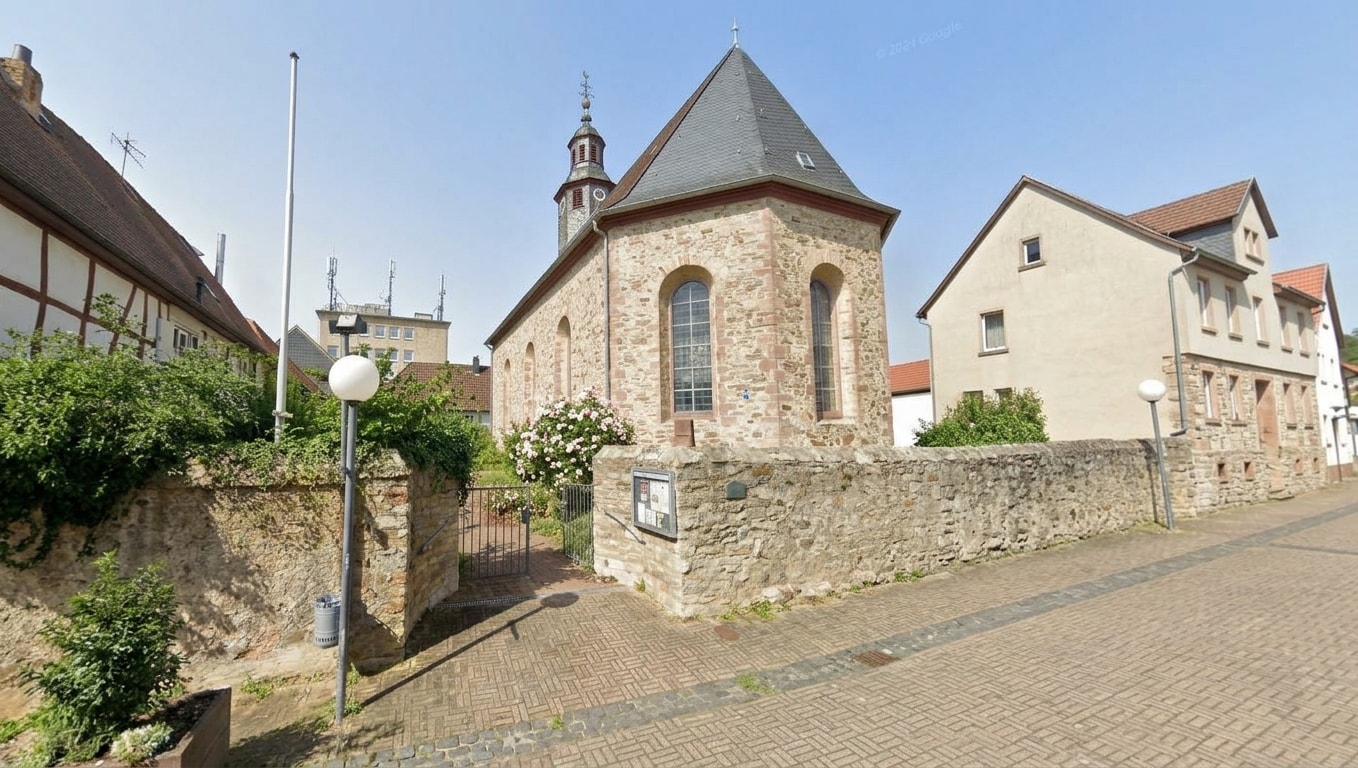
Family came from Holzhausen u. Vor Der Höhe (Holzhausen under and in front of the Highlands). Came to America in 1853, like many others, out of desperation.
Origin
- Country
- Grand Duchy of Hesse, a prominent, fully sovereign country within the German Confederation
- Meaning
- German surname. In Hesse, most likely derived from the Middle High German word hocke or hoke, which translates to a small-scale market trader, peddler.
- Arrival Era
- 1853 from Hesse, Germany
Known Family Members
- Johann Lorenz HöckFather to Jacob and Mary, husband toMaria Katherina Kolass
- Mary Höck (Hague)German immigrant, wife to William Jones Jr
The Höck surname is of German origin, and in Hesse, Hock actually holds one of the highest concentrations of this surname family in Germany. The last child to be born of Lorenz and his wife Marie Katherina was a girl named Katherina, who sadly did not live very long. She was baptized in 1851 in Holzhausen u. Vor Der Höhe, which is where the family was likely living in 1853 prior to their voyage. In 1939, the town was officially renamed to Burgholzhausen vor der Höhe to avoid confusion with all the other Holzhausens. Today, it is a beautifully preserved historic suburb of the city of Friedrichsdorf, located in the Hochtaunuskreis district of modern Hesse.
Why America?
In 1853, leaving Hesse-Darmstadt wasn't just a casual decision—families were basically backed into a corner by a mix of awful luck, bad politics, and a failing economy. In fact, by 1851, the Hessian government, already totally overwhelmed by the massive wave of people trying to get out, occasionally paid for poor villagers to pack up and move to America just to take some of the economic pressure off the towns. It didn't help that the region was coming off the heels of the failed 1848 revolutions and the constant threat of young men getting drafted into the military. On top of that, the early 1850s brought terrible crop failures and a brutal potato blight. Food prices skyrocketed, land was impossible to find, and a lot of hardworking rural families were genuinely facing starvation.
Meanwhile, America was being hyped up as the ultimate fresh start. People who had already crossed over were writing letters back home—often called "America letters"—talking about incredibly cheap, fertile land and tons of steady jobs in booming industrial areas like Pennsylvania. For a family in Hesse, selling everything they owned to buy a ship ticket was a massive gamble, but it felt like their only real shot at a decent life. The U.S. offered them something they couldn't get in Germany: a chance to actually own their own land, escape rigid social classes, and build a safe, stable future for their kids.
Lorenz and his wife, Maria Katherine, took that gamble and sailed with their two children on what must have been a harrowing voyage of 1 - 3 months with cramped quarters, poor hygiene, limited food and fresh water and a potential for a severe Atlantic storm to create terror. Mortality rates in steerage were high, especially for those already weakened by the famine back in Germany. If someone died during the crossing—as Lorenz did—there was no way to preserve the body. The ship's crew would perform a quick, somber burial at sea, casting the body into the Atlantic.